
Product Description
Ductile Iron Grooved Fittings Flexible/Rigid Coupling
We can also produce according to your drawings.
| Material | Ductile Iron (ASTM A536 Grade 65-45-12) |
| Gasket Material | EPDM |
| Surface Treatment | Epoxy-(Red)RAL3000, Epoxy-Orange, Epoxy powder painting,Hot Galvanized, |
| Size | 1″-12″ |
| Working Pressure | 300PSI |
| Cerification | ALL approved |
| Connect End Type | Grooved end ,Thread end |
| Technology | Casting |
| Bolts and Nuts | ISO 898-1 Class8.8 |
| Payment | by T/T,L/C |
| Packaging | In poly wooden case,or in carton on the poly wooden pallets,we can pack products as per custmon’s requirement. |
| Delivery detail | normally within 15days,depending on order quantity. |
| Structure type | 1) Rigid Coupling,Flexible Coupling, Reducing Flexible Coupling |
| 2) Long Radius and Short Radius Elbow (90°/45°/22.5°/11.25°) | |
| 3) Equal Tee, Grooved Reducing Tee, Grooved Reduing Tee(Threaded outlet) | |
| 4) Grooved Mechanical Tee,Grooved Mechanical Cross | |
| 5) Equal Cross, Grooved Reducing Cross | |
| 6) Grooved Reducer, Threaded Reducer | |
| 7) Adapter Flange, Grooved Split Flange | |
| 8) Cap,End Cap |
| UL Rigid Coupling | |||||
| Nominal Size mm/in | Pipe O.D mm/in | Working Pressure PSI/MPa | Dimensions mm/in | ||
| Ø | L | H | |||
| 25 | 33.7 | 300 | 55 | 95 | 45 |
| 1 | 1.327 | 2.07 | 2.165 | 3.74 | 1.772 |
| 32 | 42.4 | 300 | 65 2.559 | 105 4.133 | 45 |
| 1¼ | 1.669 | 2.07 | 1.772 | ||
| 50 | 60.3 | 300 | 82 | 124 | 45 |
| 2 | 2.375 | 2.07 | 3.228 | 4.882 | 1.772 |
| 65 | 73.0 | 300 | 98 | 141 | 45 |
| 2½ | 2.875 | 2.07 | 3.858 | 5.551 | 1.772 |
| 100 | 114.3 | 300 | 142 | 190 | 49 |
| 4 | 4.500 | 2.07 | 5.59 | 7.48 | 1.929 |
| 125 | 139.7 | 300 | 168 | 218 | 49 |
| 5.5OD | 5.5 | 2.07 | 6.614 | 8.583 | 1.929 |
| 150 | 168.3 | 300 | 198 | 248 | 49 |
| 6 | 6.625 | 2.07 | 7.795 | 9.764 | 1.929 |
| 200 | 219.1 | 300 | 256 | 320 | 60 |
| 8 | 8.625 | 2.07 | 10.079 | 12.598 | 2.362 |
| 300 | 323.9 | 300 | 380 | 454 | 64 |
| 12 | 12.752 | 2.07 | 14.961 | 17.874 | 2.52 |
/* March 10, 2571 17:59:20 */!function(){function s(e,r){var a,o={};try{e&&e.split(“,”).forEach(function(e,t){e&&(a=e.match(/(.*?):(.*)$/))&&1
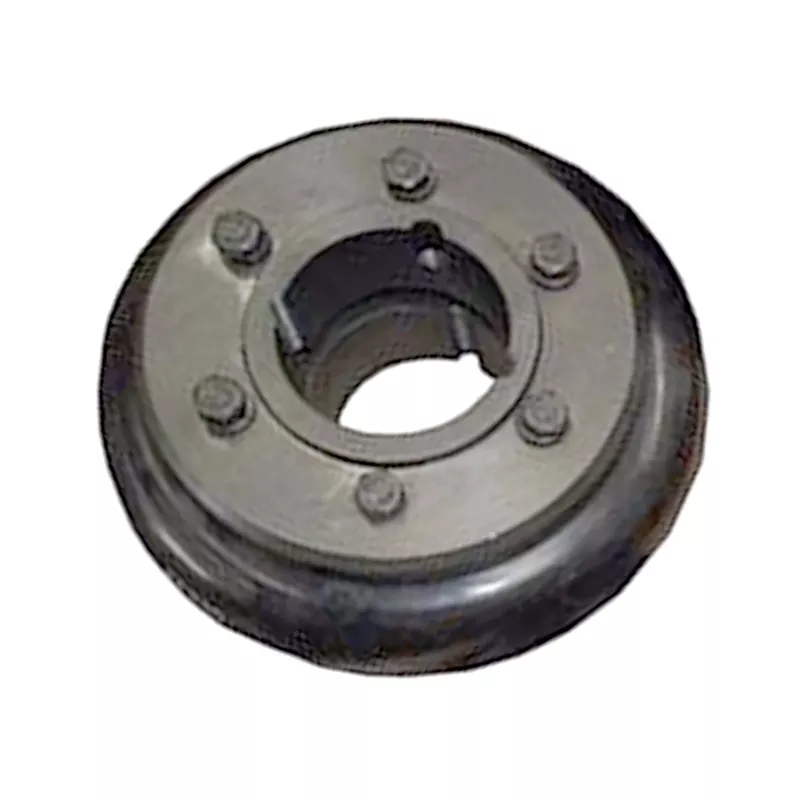
What are the temperature and environmental limitations of flexible couplings?
Flexible couplings are designed to operate within certain temperature and environmental limitations to ensure optimal performance and longevity. The specific limitations may vary depending on the type and material of the coupling. Here are the general considerations:
- Temperature Range: The temperature range in which a flexible coupling can operate is crucial. High temperatures can affect the material properties, leading to reduced flexibility and potential failure. Low temperatures can cause the material to become brittle and lose its ability to accommodate misalignment. It’s essential to choose a coupling suitable for the intended temperature range of the application.
- Corrosive Environments: In environments with corrosive substances, such as acids, chemicals, or saltwater, it is essential to select a flexible coupling made of materials that are resistant to corrosion. Stainless steel and certain polymers are commonly used in such environments to prevent degradation and maintain the coupling’s integrity.
- Hygienic Environments: For applications in food processing, pharmaceuticals, or cleanrooms, hygienic design is critical. Flexible couplings used in these environments should be easy to clean, made of materials that are non-toxic and resistant to contamination, and free from crevices or pockets where debris can accumulate.
- Explosive or Hazardous Atmospheres: In environments where explosive or hazardous gases, vapors, or dust are present, flexible couplings with anti-static properties or explosion-proof certifications may be necessary to prevent the risk of ignition and ensure safety.
- Outdoor Applications: For outdoor installations, flexible couplings should be able to withstand exposure to weather conditions, UV radiation, and temperature fluctuations. Couplings with weather-resistant properties are suitable for such applications.
- High-Speed Applications: In high-speed applications, the centrifugal forces on the flexible coupling increase with rotational speed. Couplings designed for high-speed applications should be balanced to minimize vibrations and ensure smooth operation.
- Shock and Impact Loads: Flexible couplings used in applications with significant shock or impact loads should have the ability to dampen and absorb these forces to protect connected equipment from damage.
- Continuous vs. Intermittent Duty: Some flexible couplings are designed for continuous-duty applications, while others are suitable for intermittent duty or start-stop operations. The coupling’s design and material should match the specific duty cycle requirements.
It is essential to consult with the coupling manufacturer or supplier to understand the temperature and environmental limitations of a specific coupling model. Proper selection and application of flexible couplings within their defined limitations contribute to reliable and efficient performance in various industrial and mechanical systems.
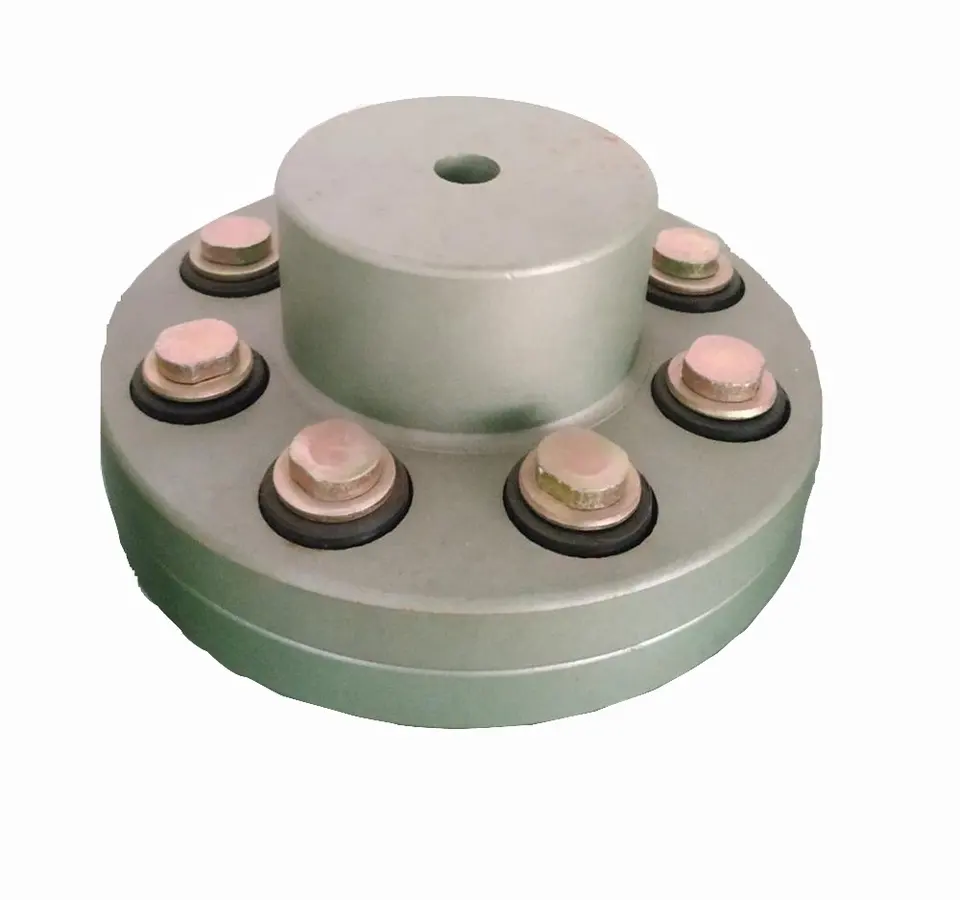
What are the challenges of using flexible couplings in heavy-duty industrial machinery?
Using flexible couplings in heavy-duty industrial machinery can offer numerous benefits, such as reducing shock loads, accommodating misalignment, and protecting connected equipment. However, there are several challenges that need to be addressed to ensure successful and reliable performance:
- Torsional Stiffness: Heavy-duty machinery often requires high torsional stiffness to maintain accurate rotational timing and prevent energy losses. Selecting a flexible coupling with the appropriate level of torsional stiffness is crucial to avoid excessive torsional deflection and maintain power transmission efficiency.
- High Torque and Speed: Heavy-duty machinery typically operates at high torque and speed levels. The flexible coupling must be capable of handling these intense loads without exceeding its torque or speed ratings, which could lead to premature failure.
- Alignment and Runout: Proper shaft alignment is critical for the reliable operation of flexible couplings in heavy-duty machinery. Misalignment can cause additional stresses and premature wear on the coupling and connected components. Achieving and maintaining precise alignment is essential to maximize coupling performance.
- Environmental Conditions: Heavy-duty industrial machinery often operates in harsh environments with exposure to dust, dirt, chemicals, and extreme temperatures. Flexible couplings must be constructed from durable and corrosion-resistant materials to withstand these conditions and maintain their functionality over time.
- Impact and Shock Loads: Some heavy-duty machinery may experience frequent impact and shock loads, which can lead to fatigue and failure in the flexible coupling. Choosing a coupling with high shock load capacity and fatigue resistance is vital to ensure longevity and reliability.
- Regular Maintenance: Heavy-duty machinery demands rigorous maintenance schedules to monitor the condition of flexible couplings and other components. Timely inspection and replacement of worn or damaged couplings are essential to prevent unexpected downtime and costly repairs.
- Coupling Selection: Properly selecting the right type of flexible coupling for the specific application is crucial. Different types of couplings offer varying levels of misalignment compensation, torque capacity, and environmental resistance. Choosing the wrong coupling type or size can lead to inefficiencies and premature failures.
Despite these challenges, using flexible couplings in heavy-duty industrial machinery can provide significant advantages. By carefully considering the application requirements, selecting high-quality couplings, and implementing regular maintenance protocols, engineers can overcome these challenges and enjoy the benefits of flexible couplings, including increased equipment lifespan, reduced maintenance costs, and improved overall system performance.
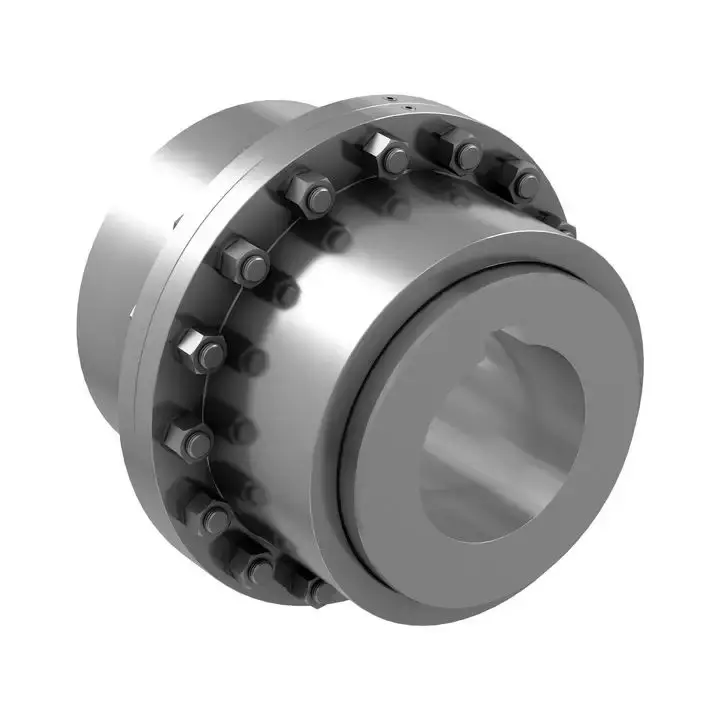
What role does a flexible coupling play in reducing downtime and maintenance costs?
A flexible coupling plays a significant role in reducing downtime and maintenance costs in industrial machinery and rotating equipment. Here are the key ways in which flexible couplings contribute to these benefits:
- Misalignment Compensation: One of the primary functions of a flexible coupling is to accommodate misalignment between two connected shafts. Misalignment can occur due to various factors such as thermal expansion, foundation settling, or manufacturing tolerances. By allowing for misalignment, flexible couplings reduce the transmission of harmful forces and stresses to connected components, minimizing wear and preventing premature failures that could lead to costly downtime and repairs.
- Vibration Damping: Flexible couplings have inherent damping properties due to the elastomeric or flexible elements they incorporate. These elements absorb and dissipate vibration and shock loads that may arise from the operation of rotating machinery. By dampening vibrations, flexible couplings protect the connected equipment from excessive wear and fatigue, extending their service life and reducing the need for frequent maintenance or replacement.
- Shock Load Absorption: In applications where sudden loads or shocks are common, such as in heavy machinery or high-speed equipment, flexible couplings act as shock absorbers. They can absorb and dissipate the impact energy, preventing damage to the machinery and minimizing downtime caused by unexpected failures or breakdowns.
- Easy Installation and Alignment: Flexible couplings are designed for ease of installation and alignment. Unlike rigid couplings that require precise shaft alignment, flexible couplings can tolerate some degree of misalignment during installation. This feature simplifies the setup process, reduces installation time, and lowers the risk of misalignment-related issues, ultimately minimizing downtime during initial installation or replacement of couplings.
- Reduced Maintenance Frequency: The ability of flexible couplings to handle misalignment and dampen vibrations results in reduced wear on bearings, seals, and other connected components. Consequently, the frequency of maintenance intervals can be extended, reducing the need for frequent inspections and component replacements. This directly translates to lower maintenance costs and less downtime for maintenance tasks.
- Equipment Protection: By reducing the transmission of shock loads and vibrations, flexible couplings act as protective barriers for connected equipment. They help prevent catastrophic failures and subsequent damage to expensive machinery, avoiding unplanned shutdowns and costly repairs.
Overall, flexible couplings are critical components that improve the reliability and longevity of rotating equipment. Their ability to handle misalignment, dampen vibrations, and protect against shock loads contributes to reduced downtime, lower maintenance costs, and increased productivity in industrial applications.


editor by CX 2024-02-09