
Product Description
The Advantages of Quick Lock Pipe Couplings in Tunnel and Mine Slurry Systems
In the realm of tunnel and mine slurry systems, the choice of pipe couplings plays a crucial role in ensuring efficient and reliable operations. Among the various options available, quick lock pipe couplings have emerged as the preferred choice for many industry professionals. Today, we delve into the reasons behind this widespread adoption and shed light on the key benefits they offer.
One of the primary advantages of quick lock pipe couplings is their exceptional ease of installation. These couplings are designed to be quickly and securely connected, eliminating the need for complex and time-consuming procedures. This not only saves valuable time but also reduces labor costs, making them a cost-effective solution for tunnel and mine projects.
Furthermore, quick lock pipe couplings boast remarkable versatility. They can be easily adapted to various pipe sizes and materials, ensuring compatibility with different slurry systems. This flexibility allows for seamless integration into existing infrastructure, minimizing the need for extensive modifications or replacements.
Another key point to consider is the superior sealing capability of quick lock pipe couplings. The tight and reliable connection they provide prevents leakage, which is of utmost importance in tunnel and mine slurry systems. By minimizing the risk of slurry leakage, these couplings contribute to maintaining a safe and environmentally friendly working environment.
Moreover, quick lock pipe couplings exhibit excellent resistance to corrosion and wear. The harsh conditions often encountered in tunnel and mine operations can take a toll on equipment, but these couplings are specifically designed to withstand such challenges. Their durability ensures a longer service life, reducing maintenance requirements and enhancing overall system reliability.
We could provide Pipe coupling for quick connecting pipes, pressure up to 10Mpa:
| Item | Data |
| Size | DN200mm—-DN700mm |
| Steel grade | ZG230-450 |
| MOQ | 10PCS |
| Usage | For tunnel’s slurry pipe connecting |
/* March 10, 2571 17:59:20 */!function(){function s(e,r){var a,o={};try{e&&e.split(“,”).forEach(function(e,t){e&&(a=e.match(/(.*?):(.*)$/))&&1
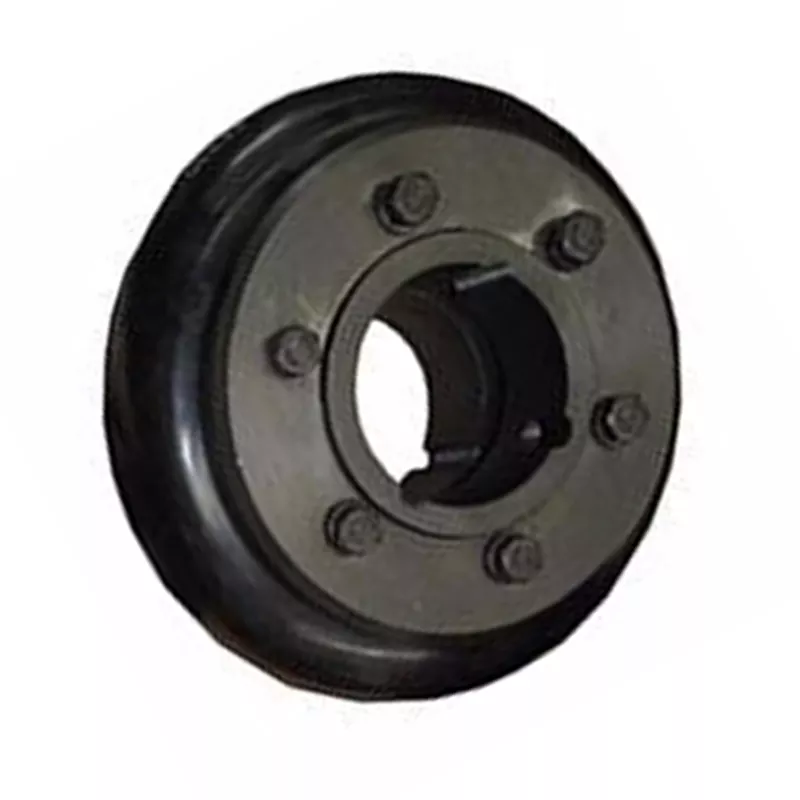
What are the torque and speed ratings for different sizes of flexible couplings?
The torque and speed ratings of flexible couplings can vary depending on their size, design, and material. Manufacturers typically provide specifications for each specific coupling model to ensure it is suitable for the intended application. Below are some general considerations regarding torque and speed ratings for different sizes of flexible couplings:
Torque Ratings:
The torque rating of a flexible coupling is the maximum amount of torque it can reliably transmit without experiencing excessive deformation or failure. It is essential to choose a coupling with a torque rating that exceeds the torque requirements of the application to ensure proper operation and avoid premature wear. Torque ratings are typically specified in Nm (Newton-meters) or lb-ft (pound-feet).
The torque capacity of a flexible coupling can increase with its size and design. Larger couplings, which have more substantial components and a larger flexible element, often have higher torque ratings compared to smaller couplings. Additionally, couplings with a more robust design, such as metallic couplings, generally have higher torque capacities compared to elastomeric couplings.
Speed Ratings:
The speed rating of a flexible coupling is the maximum rotational speed it can withstand while maintaining its structural integrity and performance. It is critical to select a coupling with a speed rating suitable for the application’s operating speed to avoid excessive wear and potential coupling failure. Speed ratings are typically specified in revolutions per minute (RPM).
Like torque ratings, the speed rating of a flexible coupling can be influenced by its size, design, and material. Larger couplings with more robust construction can often handle higher rotational speeds compared to smaller couplings. Metallic couplings, with their stiffer and more precise design, can also have higher speed ratings compared to elastomeric couplings.
Consulting Manufacturer Specifications:
To determine the torque and speed ratings for specific sizes of flexible couplings, it is essential to consult the manufacturer’s product specifications or technical datasheets. These documents provide detailed information about the coupling’s capabilities, including torque and speed ratings for each available size and model.
Application Considerations:
When selecting a flexible coupling, it is crucial to consider the torque and speed requirements of the specific application. Factors such as the power transmitted, the rotational speed of the machinery, and any transient or shock loads should be taken into account to ensure the selected coupling can handle the demands of the system.
Summary:
The torque and speed ratings of flexible couplings can vary based on their size, design, and material. Manufacturers provide specific torque and speed ratings for each coupling model to ensure their suitability for different applications. Consulting manufacturer specifications and considering the application’s requirements are vital in selecting the right flexible coupling that can handle the torque and speed demands of the mechanical system.
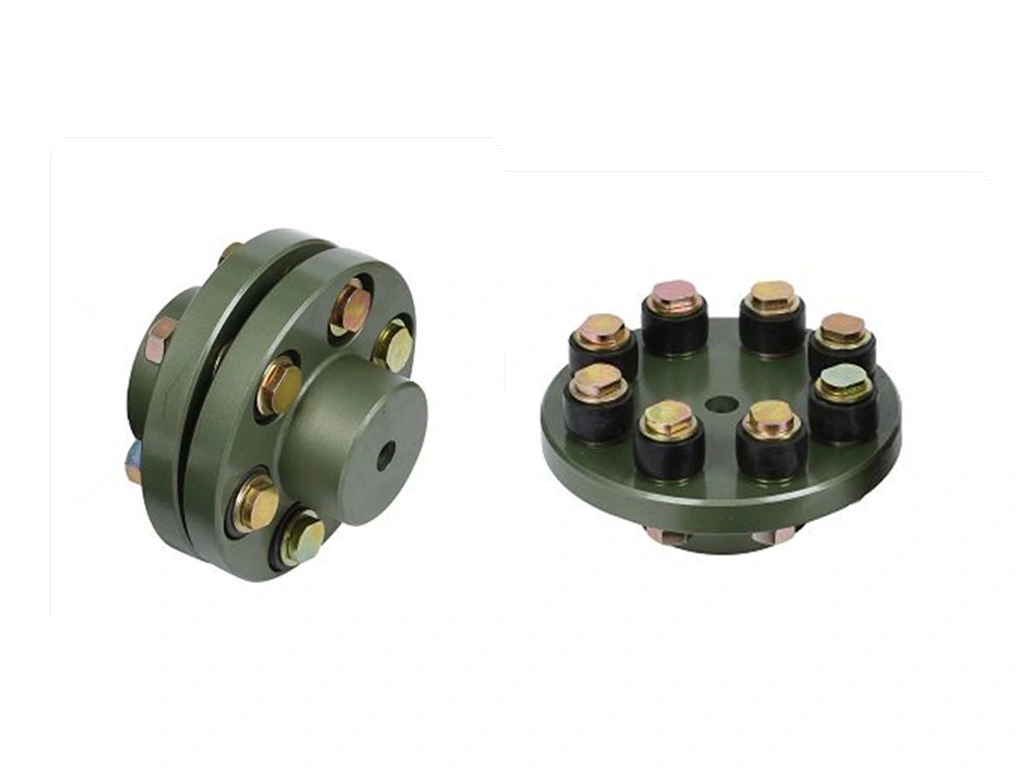
How does a flexible coupling handle alignment issues in long-distance shaft connections?
In long-distance shaft connections, it is common to encounter alignment issues due to factors such as thermal expansion, foundation settlement, or machinery shifts. Flexible couplings play a crucial role in handling these alignment issues and ensuring efficient power transmission. Here’s how they achieve this:
- Misalignment Compensation: Flexible couplings are designed to accommodate both angular and parallel misalignments between shafts. When the shafts are not perfectly aligned, the flexibility of the coupling allows it to bend or flex, reducing the transmission of misalignment forces to connected equipment.
- Reduced Stress on Equipment: By absorbing and compensating for misalignment, flexible couplings reduce the stress and loads imposed on connected machinery. This feature is particularly important in long-distance shaft connections, where misalignment can be more pronounced.
- Torsional Flexibility: In addition to angular and parallel misalignments, long-distance shaft connections may also experience torsional misalignment. Flexible couplings can handle torsional flexibility, allowing smooth torque transmission even if the connected shafts have slightly different rotational speeds.
- Vibration Damping: Long-distance shaft connections can be susceptible to vibrations due to the extended span and potential resonance. Flexible couplings help dampen these vibrations, protecting the connected equipment from excessive wear and fatigue.
- Resilience to Shock Loads: Long-distance shaft connections in industrial settings may experience shock loads due to sudden starts, stops, or equipment malfunctions. Flexible couplings can absorb and dissipate some of these shock loads, safeguarding the connected components.
- Longevity: By mitigating the effects of misalignment, vibrations, and shock loads, flexible couplings contribute to the longevity of the connected equipment and reduce maintenance and replacement costs over time.
When selecting a flexible coupling for long-distance shaft connections, it is essential to consider factors such as the degree of misalignment, torque requirements, operating conditions, and the environment in which the coupling will be used. Regular inspection and maintenance of the flexible coupling can further enhance its performance and ensure reliable operation in long-distance shaft connections.
Can flexible couplings be used for both motor-to-shaft and shaft-to-shaft connections?
Yes, flexible couplings can be used for both motor-to-shaft and shaft-to-shaft connections in various applications. The versatility of flexible couplings allows them to adapt to different types of connections and meet the specific requirements of the system.
Motor-to-Shaft Connections:
When connecting a motor to a shaft, a flexible coupling serves as an intermediary component that joins the motor shaft and the driven shaft. Flexible couplings are commonly used in motor-driven systems to accommodate misalignment between the motor and the driven load. In motor applications, flexible couplings help reduce stress and wear on the motor bearings, thus extending the motor’s life and enhancing overall system reliability. They also act as vibration dampeners, minimizing vibrations transmitted from the motor to the driven shaft, and subsequently to connected equipment, ensuring smoother operation.
Shaft-to-Shaft Connections:
In many mechanical systems, such as those in the manufacturing, automation, and power transmission industries, shaft-to-shaft connections are required. A flexible coupling can bridge the gap between two shafts and transmit torque while accommodating misalignment. This type of coupling is commonly used to connect shafts that are not perfectly aligned due to factors like manufacturing tolerances, thermal expansion, or foundation settling. By allowing for misalignment, the flexible coupling protects the connected components from excessive stresses and ensures efficient power transmission.
Versatility and Advantages:
The ability of flexible couplings to handle both motor-to-shaft and shaft-to-shaft connections makes them versatile solutions for a wide range of industrial applications. Some of the advantages of using flexible couplings in these connections include:
- Minimizing stress and wear on connected components, such as bearings and seals.
- Compensating for misalignment, ensuring smooth power transmission.
- Damping vibrations and shock loads, reducing the risk of mechanical failures.
- Protecting equipment from excessive forces, enhancing system reliability.
- Simplifying installation and alignment procedures, reducing downtime.
- Improving overall system performance and operational efficiency.
Applications:
Flexible couplings find applications in a wide range of industries, including manufacturing, material handling, automotive, aerospace, robotics, and more. Whether connecting a motor to a shaft or joining two shafts directly, flexible couplings play a crucial role in enhancing the reliability and efficiency of rotating machinery and mechanical systems.
In conclusion, flexible couplings can effectively serve as connectors for both motor-to-shaft and shaft-to-shaft connections, providing essential misalignment compensation and protection for connected equipment in various industrial applications.


editor by CX 2024-02-06