
Product Description
SDSX Grooved Rigid Coupling
System s & Performance
SDSX Grooved mechanical couplings(GMC) are available in both rigid and flexible models.
A rigid coupling is used in applications where a rigid joint is desired,similar to that of a traditional flanged,welded ,or threaded connection.
To be considered rigid,a coupling would allow less than 1 degree of deflection or angular movement
Description
SDSX rigid coupling is designed from 1″-12″, and pressure is 300psi/2070 kPa.
Bolts/Nuts: Heat-treated plated carbon steel, meeting its mechanical properties Grade 8.8.
Gaskets: EPDM, silicon rubber and Nitrile rubber.
Dimensions
| Nominal Size mm/in |
Pipe O.D mm/in |
Working Pressure PSI/MPa |
Bolt Size | Dimensions mm/in | ||
| No.-Size mm | Ø | L | H | |||
| 25 1 |
33.7 1.327 |
300 2.07 |
2-3/8*45 | 60 2.362 |
102 4.016 |
45 1.772 |
| 32 1¼ |
42.4 1.669 |
300 2.07 |
2-3/8*45 | 70 2.756 |
106 4.173 |
44 1.732 |
| 40 1½ |
48.3 1.900 |
300 2.07 |
2-3/8*45 | 73 2.874 |
108 4.252 |
44 1.732 |
| 50 2 |
57.0 2.245 |
300 2.07 |
2-3/8*55 | 83 3.268 |
122 4.803 |
45 1.772 |
| 50 2 |
60.3 2.375 |
300 2.07 |
2-3/8*55 | 87 3.425 |
123 4.843 |
44 1.732 |
| 65 2½ |
73.0 2.875 |
300 2.07 |
2-3/8*55 | 100 3.937 |
138 5.433 |
44 1.732 |
| 65 2½ |
76.1 3.000 |
300 2.07 |
2-3/8*55 | 103 4.055 |
142 5.591 |
45 1.772 |
| 80 3 |
88.9 3.500 |
300 2.07 |
2- 1/2*60 | 117 4.606 |
166 6.535 |
45 1.772 |
| 100 4 |
108.0 4.250 |
300 2.07 |
2- 1/2*65 | 137 5.393 |
188 7.401 |
48 1.889 |
| 100 4 |
114.3 4.500 |
300 2.07 |
2- 1/2*65 | 139 5.472 |
190 7.480 |
49 1.929 |
| 125 5 |
133.0 5.250 |
300 2.07 |
2- 1/2*75 | 163 6.417 |
210 8.268 |
49 1.929 |
| 125 5 |
139.7 5.500 |
300 2.07 |
2- 1/2*75 | 168 6.614 |
218 8.583 |
49 1.929 |
| 150 6 |
159.0 6.250 |
300 2.07 |
2- 1/2*75 | 192 7.559 |
242 9.528 |
49 1.929 |
| 150 6 |
165.1 6.500 |
300 2.07 |
2- 1/2*75 | 193 7.598 |
241 9.488 |
49 1.929 |
| 150 6 |
168.3 6.625 |
300 2.07 |
2- 1/2*75 | 198.5 7.815 |
249 9.803 |
50 1.969 |
| 200 8 |
219.1 8.625 |
300 2.07 |
2-5/8*85 | 253 9.961 |
320 12.598 |
59 2.323 |
| 250 10 |
273 10.748 |
300 2.07 |
2-7/8*130 | 335 13.189 |
426 16.772 |
68 2.677 |
| 300 12 |
323.9 12.752 |
300 2.07 |
2-7/8*130 | 380 14.96 |
470 18.504 |
65 2.559 |
Material Specification
Housing: Ductile iron conforming to ASTM A-536, grade 65-45-12.
Housing Coating: Paint red and orange
• Optional: Hot dipped galvanized, electro galvanized.
Gaskets
• EPDM: Temperature range -34ºC to +150ºC. Recommended for hot water service within
the specified temperature range plus a variety of dilute acids,oil-free air and many chemical services.
NOT RECOMMENDED FOR PETROLEUM SERVICES.
• Silicon Rubber: Temperature range -40ºC to +177ºC. Recommended for drinking water,
hot water, high-temperature air and some high-temperature chemicals.
NOT RECOMMENDED FOR PETROLEUM SERVICES.
• Nitrile Rubber: Temperature range -29ºC to +82ºC. Recommended for petroleum products,
air with oil vapors, vegetable and mineral oils within the specified temperature range.
NOT RECOMMENDED FOR HOT WATER
SERVICES OVER +150°F/+66ºC OR FOR HOT
DRY AIR OVER +140°F/+60ºC.
Installation
Certification
Showroom
Application
Package and shipment
Production and quality control
/* March 10, 2571 17:59:20 */!function(){function s(e,r){var a,o={};try{e&&e.split(“,”).forEach(function(e,t){e&&(a=e.match(/(.*?):(.*)$/))&&1
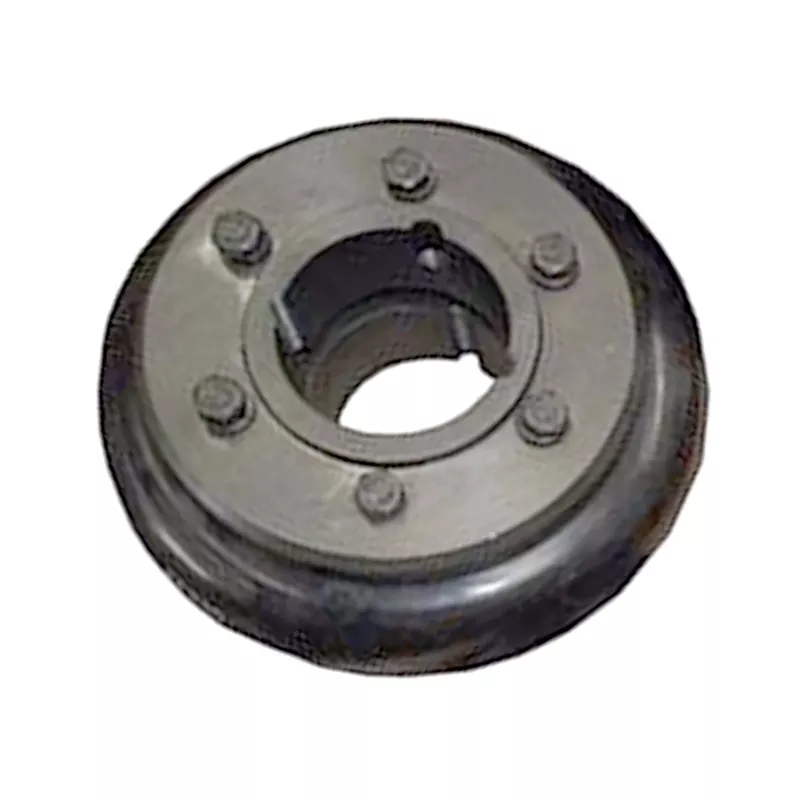
What are the temperature and environmental limitations of flexible couplings?
Flexible couplings are designed to operate within certain temperature and environmental limitations to ensure optimal performance and longevity. The specific limitations may vary depending on the type and material of the coupling. Here are the general considerations:
- Temperature Range: The temperature range in which a flexible coupling can operate is crucial. High temperatures can affect the material properties, leading to reduced flexibility and potential failure. Low temperatures can cause the material to become brittle and lose its ability to accommodate misalignment. It’s essential to choose a coupling suitable for the intended temperature range of the application.
- Corrosive Environments: In environments with corrosive substances, such as acids, chemicals, or saltwater, it is essential to select a flexible coupling made of materials that are resistant to corrosion. Stainless steel and certain polymers are commonly used in such environments to prevent degradation and maintain the coupling’s integrity.
- Hygienic Environments: For applications in food processing, pharmaceuticals, or cleanrooms, hygienic design is critical. Flexible couplings used in these environments should be easy to clean, made of materials that are non-toxic and resistant to contamination, and free from crevices or pockets where debris can accumulate.
- Explosive or Hazardous Atmospheres: In environments where explosive or hazardous gases, vapors, or dust are present, flexible couplings with anti-static properties or explosion-proof certifications may be necessary to prevent the risk of ignition and ensure safety.
- Outdoor Applications: For outdoor installations, flexible couplings should be able to withstand exposure to weather conditions, UV radiation, and temperature fluctuations. Couplings with weather-resistant properties are suitable for such applications.
- High-Speed Applications: In high-speed applications, the centrifugal forces on the flexible coupling increase with rotational speed. Couplings designed for high-speed applications should be balanced to minimize vibrations and ensure smooth operation.
- Shock and Impact Loads: Flexible couplings used in applications with significant shock or impact loads should have the ability to dampen and absorb these forces to protect connected equipment from damage.
- Continuous vs. Intermittent Duty: Some flexible couplings are designed for continuous-duty applications, while others are suitable for intermittent duty or start-stop operations. The coupling’s design and material should match the specific duty cycle requirements.
It is essential to consult with the coupling manufacturer or supplier to understand the temperature and environmental limitations of a specific coupling model. Proper selection and application of flexible couplings within their defined limitations contribute to reliable and efficient performance in various industrial and mechanical systems.
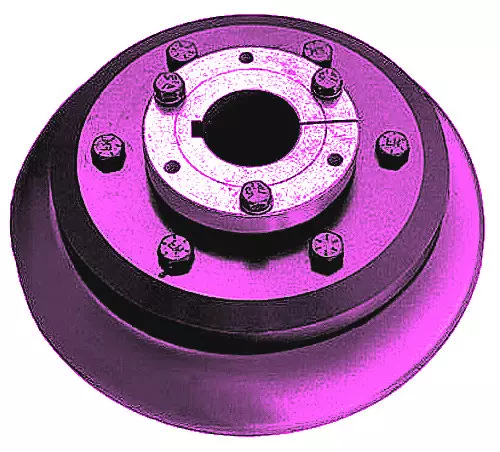
What are the key considerations for selecting a flexible coupling for high-speed applications?
When selecting a flexible coupling for high-speed applications, several critical considerations should be taken into account to ensure optimal performance and reliability:
- Material and Design: Choose a flexible coupling made from high-quality materials that can withstand the high rotational speeds without experiencing excessive wear or fatigue. Consider designs that are specifically engineered for high-speed applications, ensuring they have the required torsional stiffness and damping characteristics.
- Balance: Imbalance at high speeds can lead to vibration and reduce the lifespan of the coupling and connected components. Look for precision-balanced flexible couplings that minimize vibration and avoid any potential resonance issues at operating speeds.
- Torsional Stiffness: In high-speed applications, torsional stiffness is crucial to maintaining accurate rotational timing and preventing torque losses. Choose a flexible coupling with adequate torsional stiffness to minimize angular deflection under load.
- Dynamic Balancing: Dynamic balancing is essential for flexible couplings used in high-speed applications. A dynamically balanced coupling reduces vibrations caused by rotational imbalances, increasing the smoothness and stability of the system.
- Temperature Resistance: High-speed operations can generate significant heat, so select a flexible coupling that can withstand the elevated temperatures without compromising its mechanical properties or causing premature failure.
- Alignment and Runout Tolerance: Accurate alignment of the coupling with the shafts is crucial to prevent additional stress and vibration. Consider couplings with high runout tolerance and ease of alignment to facilitate proper installation.
- Service Life and Maintenance: Evaluate the expected service life of the flexible coupling in high-speed applications. Low-maintenance couplings are desirable to reduce downtime and maintenance costs.
- Application Specifics: Consider the specific requirements of the high-speed application, such as the magnitude of torque, axial movement, and the presence of shock loads. Choose a coupling that can handle these specific demands while maintaining performance at high speeds.
- Compliance with Standards: Ensure that the selected flexible coupling complies with relevant industry standards and specifications, especially those related to high-speed performance and safety.
By carefully considering these key factors, engineers can choose a flexible coupling that meets the demands of high-speed applications, delivering reliable and efficient power transmission while minimizing the risk of premature wear, vibration, and downtime.
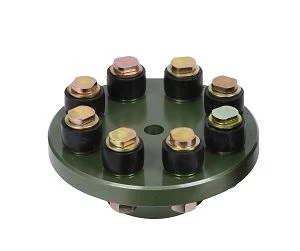
Can flexible couplings be used for both motor-to-shaft and shaft-to-shaft connections?
Yes, flexible couplings can be used for both motor-to-shaft and shaft-to-shaft connections in various applications. The versatility of flexible couplings allows them to adapt to different types of connections and meet the specific requirements of the system.
Motor-to-Shaft Connections:
When connecting a motor to a shaft, a flexible coupling serves as an intermediary component that joins the motor shaft and the driven shaft. Flexible couplings are commonly used in motor-driven systems to accommodate misalignment between the motor and the driven load. In motor applications, flexible couplings help reduce stress and wear on the motor bearings, thus extending the motor’s life and enhancing overall system reliability. They also act as vibration dampeners, minimizing vibrations transmitted from the motor to the driven shaft, and subsequently to connected equipment, ensuring smoother operation.
Shaft-to-Shaft Connections:
In many mechanical systems, such as those in the manufacturing, automation, and power transmission industries, shaft-to-shaft connections are required. A flexible coupling can bridge the gap between two shafts and transmit torque while accommodating misalignment. This type of coupling is commonly used to connect shafts that are not perfectly aligned due to factors like manufacturing tolerances, thermal expansion, or foundation settling. By allowing for misalignment, the flexible coupling protects the connected components from excessive stresses and ensures efficient power transmission.
Versatility and Advantages:
The ability of flexible couplings to handle both motor-to-shaft and shaft-to-shaft connections makes them versatile solutions for a wide range of industrial applications. Some of the advantages of using flexible couplings in these connections include:
- Minimizing stress and wear on connected components, such as bearings and seals.
- Compensating for misalignment, ensuring smooth power transmission.
- Damping vibrations and shock loads, reducing the risk of mechanical failures.
- Protecting equipment from excessive forces, enhancing system reliability.
- Simplifying installation and alignment procedures, reducing downtime.
- Improving overall system performance and operational efficiency.
Applications:
Flexible couplings find applications in a wide range of industries, including manufacturing, material handling, automotive, aerospace, robotics, and more. Whether connecting a motor to a shaft or joining two shafts directly, flexible couplings play a crucial role in enhancing the reliability and efficiency of rotating machinery and mechanical systems.
In conclusion, flexible couplings can effectively serve as connectors for both motor-to-shaft and shaft-to-shaft connections, providing essential misalignment compensation and protection for connected equipment in various industrial applications.


editor by CX 2024-02-23