
Product Description
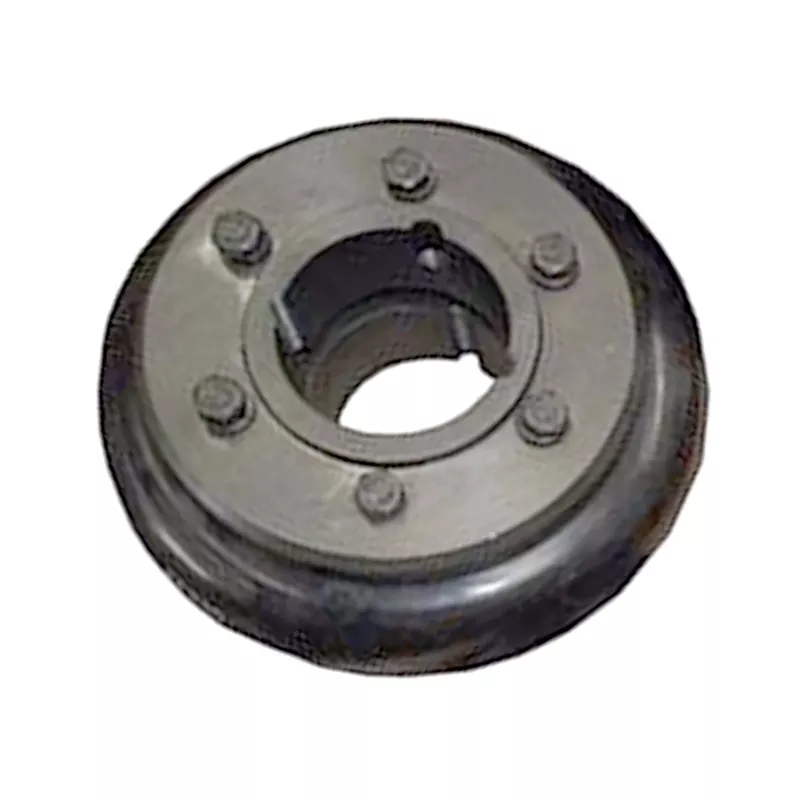
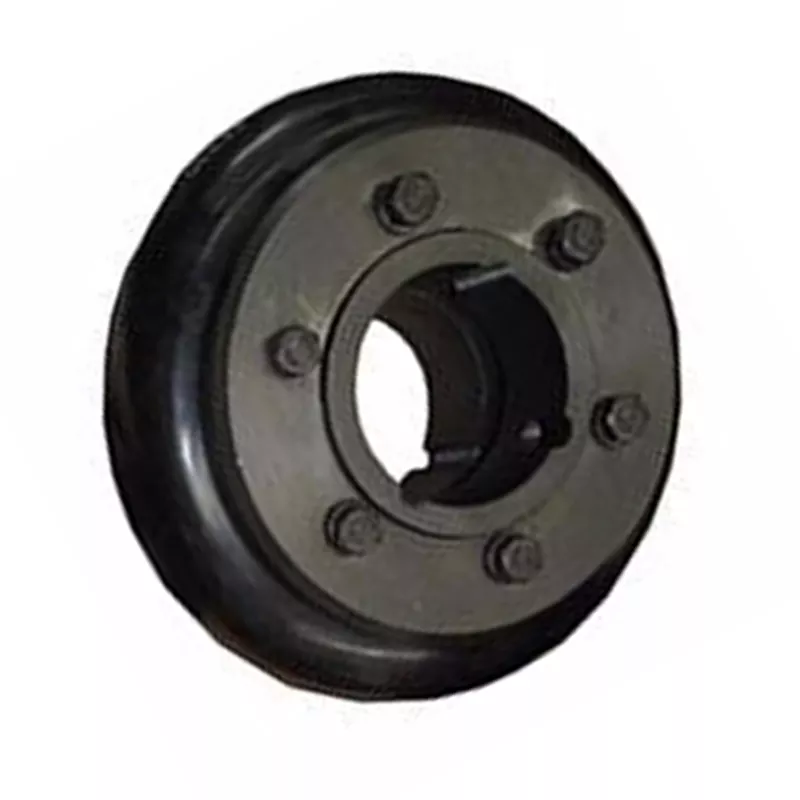
Sintered Iron Jaw Coupling Hubs Flexible Jaw Coupling Rubber Spider Coupler Powder Metallurgy Jaw Coupler
Product Description
Name: Powder metallurgy/L type claw coupling
Material: Powder metallurgy (pig iron) 45 steel aluminum alloy optional
Material: The rubber pad material is NBR (nitrile rubber)
The L-shaped claw coupling is similar to the plum CHINAMFG coupling and is cast from powder metallurgy material. It has the characteristics of economy, practicality, easy disassembly, light weight, high torque, and wear resistance.
1. L-shaped 3 jaw coupling (powder metallurgy coupling), powder metallurgy is a process technology that produces metal materials, composites, and various types of products by using metal powder (or a mixture of metal powder and non-metal powder) as raw materials, forming and sintering.
2. The powder metallurgy coupling strengthens the connection between the teeth and the main body, making the teeth of the coupling less prone to breakage, more durable, and with a longer service life. The later stage adopts phosphating treatment, which has a beautiful appearance.
3. The rubber pad of L-type 3 jaw coupling is made of NBR (nitrile rubber), which is mainly produced by low-temperature lotion polymerization. It has excellent oil resistance, high wear resistance, good heat resistance, strong adhesion and other characteristics.
Powder metallurgy is an important process for manufacturing high-tech materials. It combines material equipment with metal forming technology to form a special metal forming technology for manufacturing machinery and electrical parts, which is precise, efficient, low consumption, energy-saving, and inexpensive. It is widely used in fields such as automobiles, motorcycles, household appliances, office machinery, agricultural machinery, engineering machinery, and electric tools.
L-type coupling models include L-035 L-050 L-070 L-075 L-090 L-095 L-099 L-100 L-110 L-150
L-type couplings are used in the mechanical field: hydraulic pumps, centrifugal pumps, small generators, blowers, fans, ventilators, belt conveyors, screw conveyors, thin plate bending machines, woodworking machinery, grinders, textile machines, similar machines, cutting machines, winches, generators, cement mixers, cable cars, cable winches, centrifuges, excavators, piston pumps, packers, paper making machinery, compressors, screw pump shearing machines, forging machines, stone crushers, piston compressors, vertical roller presses, welding machines, tribute plastic crushers.
Detailed Photos
Cast lron Jaw Coupling Hubs can help connect shafts together for heavy shock loads in variable-speed andvariable-torque applications. A complete assembly requires 2 hubs and 1 jaw coupling spider, available separately. Nitrile Butadiene Rubber and polyurethane rubber are available to choose.Our company’s powder metallurgy L coupling is include: L035 series, L050 series, L070 series, L075 series, L090 series, L095 series, L099 series, L100 series, L110 series, L150 series. Its product features are economical, convenient and light weight. Without lubrication, the products are exported to more than 40 countries. Rubber gaskets are made of high quality rubber products, oil resistant and friction resistant. Our company also contracts for powder metallurgy and other products.
Service tenet: user satisfaction, quality assurance, integrity cooperation
Product Parameters
Packaging & Shipping
After Sales Service
Service tenet: user satisfaction, quality assurance, integrity cooperation
/* March 10, 2571 17:59:20 */!function(){function s(e,r){var a,o={};try{e&&e.split(“,”).forEach(function(e,t){e&&(a=e.match(/(.*?):(.*)$/))&&1
What are the temperature and environmental limitations of flexible couplings?
Flexible couplings are designed to operate within certain temperature and environmental limitations to ensure optimal performance and longevity. The specific limitations may vary depending on the type and material of the coupling. Here are the general considerations:
- Temperature Range: The temperature range in which a flexible coupling can operate is crucial. High temperatures can affect the material properties, leading to reduced flexibility and potential failure. Low temperatures can cause the material to become brittle and lose its ability to accommodate misalignment. It’s essential to choose a coupling suitable for the intended temperature range of the application.
- Corrosive Environments: In environments with corrosive substances, such as acids, chemicals, or saltwater, it is essential to select a flexible coupling made of materials that are resistant to corrosion. Stainless steel and certain polymers are commonly used in such environments to prevent degradation and maintain the coupling’s integrity.
- Hygienic Environments: For applications in food processing, pharmaceuticals, or cleanrooms, hygienic design is critical. Flexible couplings used in these environments should be easy to clean, made of materials that are non-toxic and resistant to contamination, and free from crevices or pockets where debris can accumulate.
- Explosive or Hazardous Atmospheres: In environments where explosive or hazardous gases, vapors, or dust are present, flexible couplings with anti-static properties or explosion-proof certifications may be necessary to prevent the risk of ignition and ensure safety.
- Outdoor Applications: For outdoor installations, flexible couplings should be able to withstand exposure to weather conditions, UV radiation, and temperature fluctuations. Couplings with weather-resistant properties are suitable for such applications.
- High-Speed Applications: In high-speed applications, the centrifugal forces on the flexible coupling increase with rotational speed. Couplings designed for high-speed applications should be balanced to minimize vibrations and ensure smooth operation.
- Shock and Impact Loads: Flexible couplings used in applications with significant shock or impact loads should have the ability to dampen and absorb these forces to protect connected equipment from damage.
- Continuous vs. Intermittent Duty: Some flexible couplings are designed for continuous-duty applications, while others are suitable for intermittent duty or start-stop operations. The coupling’s design and material should match the specific duty cycle requirements.
It is essential to consult with the coupling manufacturer or supplier to understand the temperature and environmental limitations of a specific coupling model. Proper selection and application of flexible couplings within their defined limitations contribute to reliable and efficient performance in various industrial and mechanical systems.
How does a flexible coupling handle misalignment in large rotating equipment?
Flexible couplings are designed to accommodate various types of misalignment in large rotating equipment, ensuring smooth and efficient power transmission while minimizing stress on connected components. Here’s how flexible couplings handle different types of misalignment:
- Angular Misalignment: Angular misalignment occurs when the axes of the two connected shafts are not collinear and form an angle. Flexible couplings can handle angular misalignment by allowing the coupling elements to flex and move slightly, thus accommodating the angle between the shafts. The flexible elements, often made of elastomeric materials or metallic membranes, can bend and twist to compensate for angular misalignment, ensuring that the coupling remains engaged and transfers torque effectively.
- Parallel Misalignment: Parallel misalignment, also known as offset misalignment, happens when the two shafts are not perfectly aligned along their axes, resulting in a lateral shift. Flexible couplings can handle parallel misalignment through their ability to move radially, allowing the flexible elements to adjust and take up the offset. This capability prevents excessive side loads on the shafts and bearings, reducing wear and increasing the lifespan of the equipment.
- Axial Misalignment: Axial misalignment occurs when there is a linear displacement of one shaft relative to the other, either toward or away from the other shaft. Some flexible couplings, such as certain types of flexible disc couplings, can accommodate a limited amount of axial misalignment. However, for large axial movement, other types of couplings or special designs may be required.
The flexibility of the coupling elements allows them to act as a buffer between the shafts, dampening shocks, vibrations, and torsional forces caused by misalignment or other dynamic loads. This helps protect the connected equipment from damage and enhances the overall performance and reliability of the rotating system.
In large rotating equipment, where misalignment is more common due to thermal expansion, foundation settling, or other factors, flexible couplings play a critical role in maintaining smooth operation and reducing stress on the machinery. However, it is essential to choose the appropriate type of flexible coupling based on the specific requirements of the application and to regularly inspect and maintain the coupling to ensure optimal performance and longevity.
Can you explain the different types of flexible coupling designs available?
There are several types of flexible coupling designs available, each with its unique construction and characteristics. These designs are tailored to meet specific application requirements and address different types of misalignment and torque transmission needs. Here are some of the most common types of flexible couplings:
- Jaw Couplings: Jaw couplings consist of two hubs with curved jaws and an elastomer spider placed between them. The spider acts as a flexible element and can compensate for angular and parallel misalignment. Jaw couplings are widely used in various industrial applications due to their simple design and effectiveness in handling misalignment and vibration damping.
- Disc Couplings: Disc couplings use thin metallic discs with a series of alternating slits and flanges to connect the shafts. The disc coupling design allows for excellent misalignment compensation, including angular, parallel, and axial misalignment. Disc couplings are known for their high torsional stiffness and precise torque transmission capabilities.
- Gear Couplings: Gear couplings consist of toothed hubs connected by an external sleeve with gear teeth. They are well-suited for applications with high torque and moderate misalignment. Gear couplings offer good misalignment compensation and high torque capacity, making them popular in heavy-duty industrial applications.
- Beam Couplings: Beam couplings use a single piece of flexible material, often a metal beam, to connect the shafts. The material’s flexibility allows for angular and axial misalignment compensation. Beam couplings are compact, lightweight, and provide low inertia, making them suitable for applications with high-speed requirements.
- Bellows Couplings: Bellows couplings consist of a bellows-like flexible structure that connects the two hubs. They can compensate for angular, parallel, and axial misalignment. Bellows couplings are known for their high torsional stiffness and ability to maintain constant velocity transmission.
- Oldham Couplings: Oldham couplings use three discs, with the middle one having a perpendicular slot. This design allows for angular misalignment compensation while transmitting torque between the hubs. Oldham couplings are often used when electrical isolation between shafts is required.
Each flexible coupling design has its strengths and limitations, and the choice depends on factors such as the application’s torque requirements, misalignment conditions, operating environment, and speed. Proper selection of the coupling type ensures optimal performance, efficiency, and reliability in various mechanical systems and rotating machinery.


editor by CX 2024-01-12