
Product Description
4 colors choice: Red ,Orange ,Blue ,Galvanized Of Rigid Coupling,galvanized pipe fitting
ductile iron rigid coupling / fire fitting coupling / grooved fittings
1.FM UL approved of All Grooved Coupling
2.Size:1-12″ for all grooved fitting
3.Grooved Coupling Material:ductile iron ASTM-A536 Grade 65-45-12
4.Grooved Coupling Surface :painting,epoxy,hot dip galvanzed
5.Gasket for Grooved Coupling :
EDPM , tempersture Range : (-34—-+110ºC)
SILICON , tempersture Range : (-40—-+177ºC)
NITRILE, tempersture Range : (-29—-+82ºC)
Ductile flexible coupling ,ductile iron flexible coupling / fire fighting /grooved fittings,Rigid coupling
| UL FM Flexbile Coupling | |||||
| Nominal Size mm/in | Pipe O.D mm/in | Working Pressure PSI/MPa | Dimensions mm/in | ||
| Ø | L | H | |||
| 25 1 |
33.7 1.327 |
300 2.07 |
55. 2.165 |
95 3.74 |
45 1.772 |
| 32 1¼ |
42.4 1.669 |
300 2.07 |
65 2.559 |
105 4.133 |
45 1.772 |
| 40 1½ |
48.3 1.900 |
300 2.07 |
71. 2.795 |
110 4.331 | 45 1.772 |
| 50 2 |
60.3 2.375 |
300 2.07 |
82 3.228 |
124 4.882 |
45 1.772 |
| 65 2½ |
73.0 2.875 |
300 2.07 |
98 3.858 |
141 5.551 |
45 1.772 |
| 65 3OD |
76.1 3.000 |
300 2.07 |
100 3.937 |
142 5.59 |
45 1.772 |
| 80 3 |
88.9 3.500 |
300 2.07 |
113 4.449 |
160 6.299 |
46 1.811 |
| 100 4 |
114.3 4.500 |
300 2.07 |
142 5.59 |
190 7.48 |
49 1.929 |
| 125 5.5OD |
139.7 5.500 |
300 2.07 |
168 6.614 |
218 8.583 |
49 1.929 |
| 150 6.5OD |
165.1 6.500 |
300 2.07 |
194 7.638 |
244 9.606 |
49 1.929 |
| 150 6 |
168.3 6.625 | 300 2.07 |
198 7.795 |
248 9.764 |
49 1.929 |
| 200 8 |
219.1 8.625 |
300 2.07 |
256. 10.079 |
320 12.598 |
60 2.362 |
| 250 10 |
273 10.748 |
300 2.07 |
328 12.913 |
420 16.535 |
64 2.52 |
| 300 12 |
323.9 12.752 |
300 2.07 |
380 14.961 |
454 17.874 |
64 2.52 |
DETAILS
| Name | Rigid and flexible Coupling, elbow, tee, cross, reducer, cap, mechanical tee, mechanical cross, flange adaptor |
| Standard | ANSI, ASTM, ISO |
| Type | Manufacturer,trading company |
| Material | Ductile iron |
| Finish | Paint, Epoxy or Galvanization |
| Approval | FM/UL |
| Usage | 1) Automatic sprinkler system for fire protection on commercial, civil and municipal constructions like water supplying, gas supplying, heat supplying, etc. 2) Industrial pipeline system on shipping, mine, oil field, textile, powder plant, etc. 3) Pipeline system on subway station, railway station, airport, seaport, bridge, etc. |
KINGMETAL STEEL INDUSTRY CO.,LTD ,is a professional company in manufacturing and saling steel pipes and pipe fittings
( tee, elbow ,reducer ,flanges). we are an old company in this area ,we start from 1989 and have rich exporting experience .
Cooperating with us you will feel easy and safe !
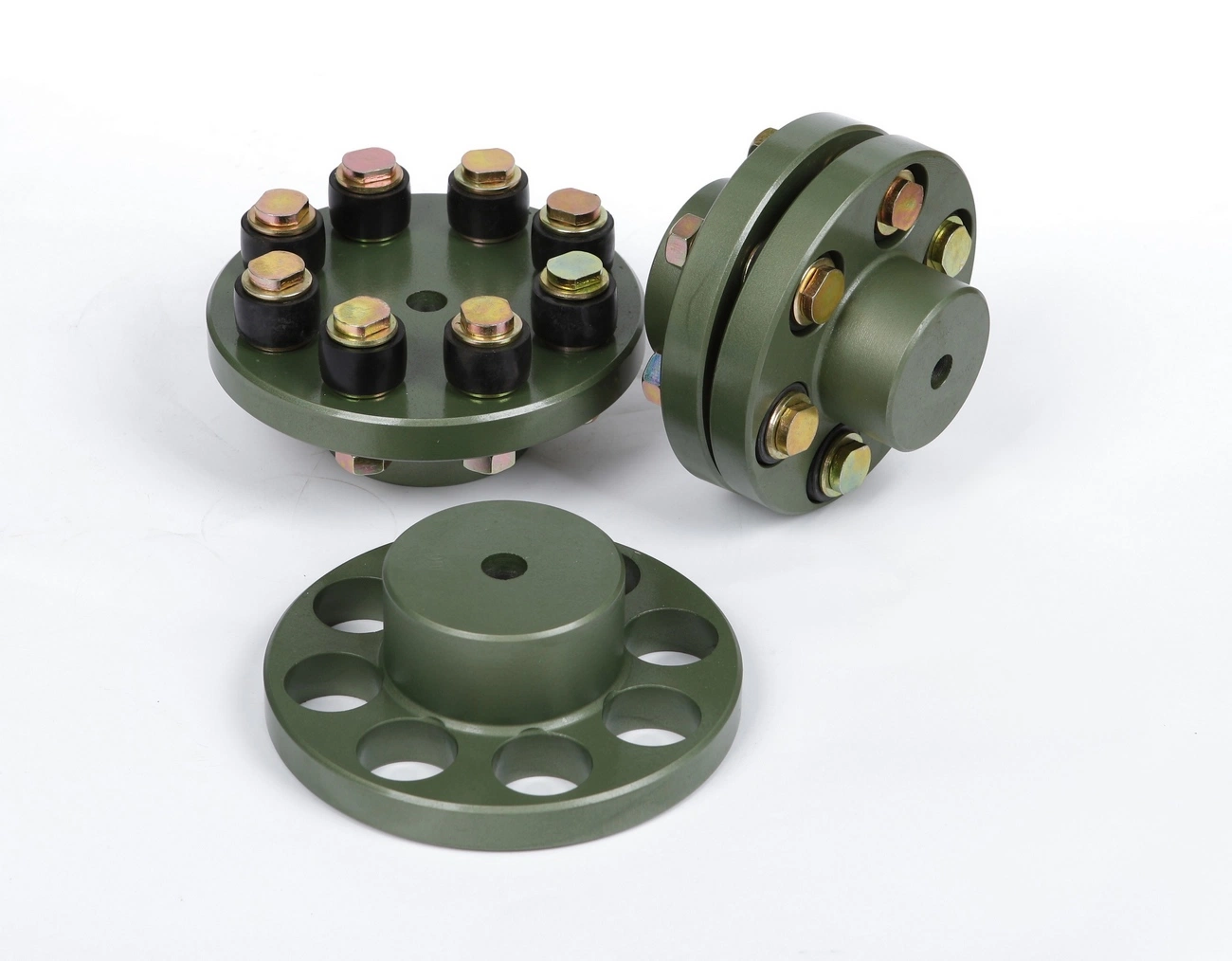
Can flexible couplings be used in food processing and pharmaceutical industries?
Yes, flexible couplings can be used in both the food processing and pharmaceutical industries under certain conditions. These industries have stringent requirements for equipment used in their processes, including hygienic design, cleanliness, and resistance to contamination. Here’s how flexible couplings can be used in these industries:
- Hygienic Design: In food processing and pharmaceutical applications, flexible couplings with hygienic designs are essential to prevent the accumulation of food particles, dust, or other contaminants. Stainless steel or FDA-approved materials are commonly used to ensure compliance with hygiene standards and ease of cleaning.
- Cleanability: The equipment used in food processing and pharmaceutical industries must be easily cleanable to maintain product purity. Flexible couplings with smooth surfaces and no crevices or pockets that can trap particles are preferred.
- Chemical Resistance: Some food processing and pharmaceutical applications involve the use of cleaning agents or chemicals. Flexible couplings must be resistant to these chemicals to prevent degradation and ensure long-term reliability.
- Corrosion Resistance: In food processing and pharmaceutical environments, equipment is often exposed to washdowns and sanitizing solutions. Flexible couplings made of corrosion-resistant materials can withstand these conditions and maintain their performance over time.
- Compliance with Standards: The food processing and pharmaceutical industries are subject to strict regulations and standards. Flexible couplings used in these industries should comply with relevant industry standards, such as FDA, EHEDG, or NSF standards.
- Non-Toxic Materials: Flexible couplings used in direct contact with food or pharmaceutical products must be made of non-toxic materials that will not contaminate the process.
- Resistant to Temperature Extremes: Some food and pharmaceutical processes involve extreme temperatures. Flexible couplings must be capable of withstanding high and low temperatures without compromising their integrity.
When selecting flexible couplings for food processing and pharmaceutical applications, it is essential to work closely with manufacturers and suppliers who understand the industry’s unique requirements. Customized solutions may be necessary to ensure that the couplings meet the specific needs of the application and comply with industry standards.
Summary: Flexible couplings can be used in food processing and pharmaceutical industries when they meet the necessary hygiene, cleanability, chemical resistance, corrosion resistance, compliance with standards, and temperature resistance requirements. Proper selection and application of flexible couplings can contribute to the efficiency and reliability of equipment in these critical industries.
What are the differences between single and double flexible coupling designs?
Single and double flexible couplings are two common designs used for power transmission in various mechanical systems. Here are the main differences between the two:
- Design: The primary difference lies in their configuration. A single flexible coupling consists of one flexible element connecting two shafts, while a double flexible coupling, also known as a two-piece flexible coupling, uses two flexible elements with an intermediate shaft in between. The double flexible coupling resembles two single couplings connected in series.
- Torsional Flexibility: Single flexible couplings typically provide greater torsional flexibility than double flexible couplings. The presence of an intermediate shaft in the double coupling design adds some rigidity and reduces the overall torsional flexibility of the system.
- Compensation of Misalignment: Both single and double flexible couplings can compensate for angular and parallel misalignment between shafts. However, due to its additional flexible element, the double flexible coupling may have slightly better misalignment compensation capabilities.
- Length and Space: Single flexible couplings are generally shorter in length compared to double flexible couplings. The double flexible coupling’s design requires additional space to accommodate the intermediate shaft, making it longer than the single coupling.
- Shaft Separation: Single flexible couplings connect the two shafts directly without any intermediate components, while the double flexible coupling separates the shafts using an intermediate shaft. This shaft separation in the double design can be advantageous in certain applications.
- Stiffness: The double flexible coupling tends to be slightly stiffer than the single flexible coupling due to the presence of the intermediate shaft, which may affect its ability to absorb vibrations and shock loads.
- Application: Single flexible couplings are commonly used in various applications, including pumps, compressors, fans, and general power transmission systems. Double flexible couplings are often preferred in applications where a higher level of torsional stiffness is required, such as certain industrial machinery.
Both single and double flexible coupling designs have their advantages and are suitable for different types of machinery and power transmission requirements. The choice between the two depends on factors such as the specific application, the level of misalignment compensation needed, the available space, and the desired torsional flexibility for the system.
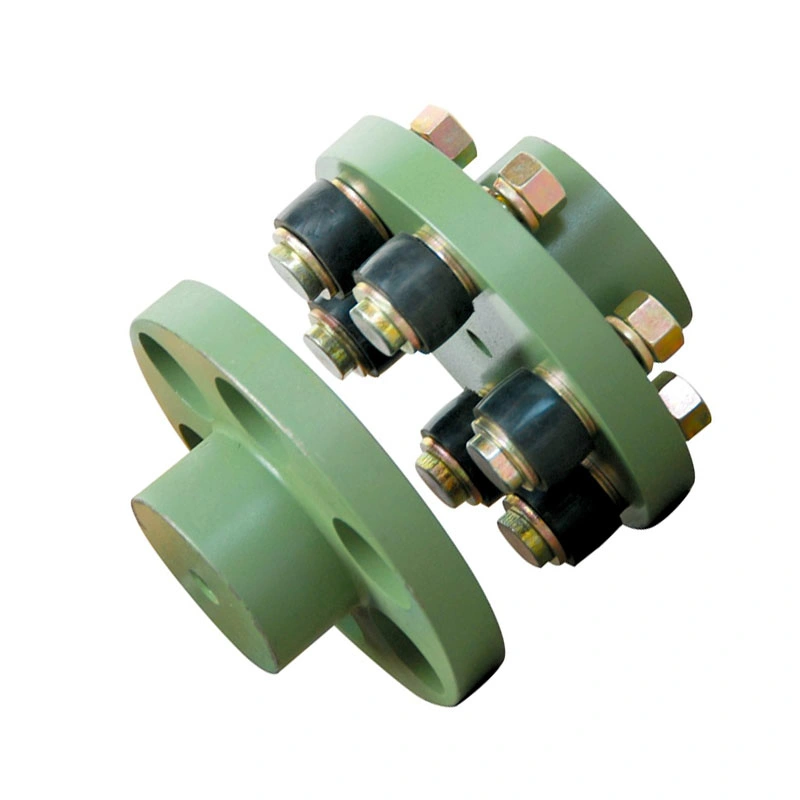
How does a flexible coupling protect connected equipment from shock loads and vibrations?
Flexible couplings play a crucial role in protecting connected equipment from shock loads and vibrations by providing damping and isolation capabilities. When machines or mechanical systems experience sudden shock loads or vibrations, the flexible coupling acts as a buffer, absorbing and dissipating the impact, thereby reducing the transmitted forces and protecting the equipment. Here’s how flexible couplings achieve this:
- Damping of Vibrations: Flexible couplings are often made from materials that exhibit damping properties. When vibrations are transmitted through the shafts, the flexible coupling’s material can absorb a portion of the vibrational energy, converting it into heat. This dissipation of energy helps reduce the amplitude of the vibrations and prevents them from propagating further into the connected equipment.
- Vibration Isolation: In addition to damping vibrations, flexible couplings also offer a degree of vibration isolation. They are designed to decouple the two shafts, which means that vibrations occurring on one shaft are not directly transmitted to the other shaft. This isolation effect prevents vibrations from propagating across the entire system and minimizes the impact on sensitive equipment or nearby components.
- Shock Absorption: When the connected machinery experiences sudden shock loads, such as during a startup or abrupt changes in load, the flexible coupling can act as a shock absorber. The coupling’s design allows it to deform slightly under the impact, absorbing and distributing the shock energy. This prevents the shock from being directly transferred to the connected equipment, reducing the risk of damage or premature wear.
- Misalignment Compensation: Flexible couplings are capable of compensating for misalignment between the shafts. Misalignment can lead to additional stresses and vibrations in the system. By allowing for some degree of angular, parallel, and axial misalignment, the flexible coupling reduces the forces transmitted to the connected equipment and the supporting structures.
- Reduction of Resonance Effects: Resonance is a phenomenon that occurs when the natural frequency of a system matches the frequency of external vibrations, leading to amplified vibrations. Flexible couplings can help avoid resonance effects by altering the system’s natural frequency and providing some level of flexibility that damps the resonance response.
By incorporating a flexible coupling into the drivetrain or power transmission system, equipment manufacturers and operators can significantly improve the reliability and longevity of connected machinery. The coupling’s ability to dampen vibrations, isolate shocks, and compensate for misalignment contributes to a smoother and more stable operation, reducing maintenance requirements and enhancing overall system performance.
In summary, flexible couplings act as protective elements, shielding connected equipment from shock loads and vibrations. Their ability to dampen vibrations, isolate shocks, and compensate for misalignment contributes to a smoother and more reliable operation of various mechanical systems.


editor by CX 2023-12-15